Back in 2007, before SaaS was a buzzword and long before “cloud-based” became a sales pitch, I built a booking system for my spa.
Not because I wanted to.
Because I had to.
At the time, most options were clunky desktop apps with little to no automation, no online access, and features stuck in the early 2000s. Email confirmations? Not a thing. Click-to-confirm? Unheard of. Making a desktop app talk to a web interface was borderline wizardry.
So, I rolled up my sleeves, teamed up with two devs, and started building.
The Pain That Sparked It All
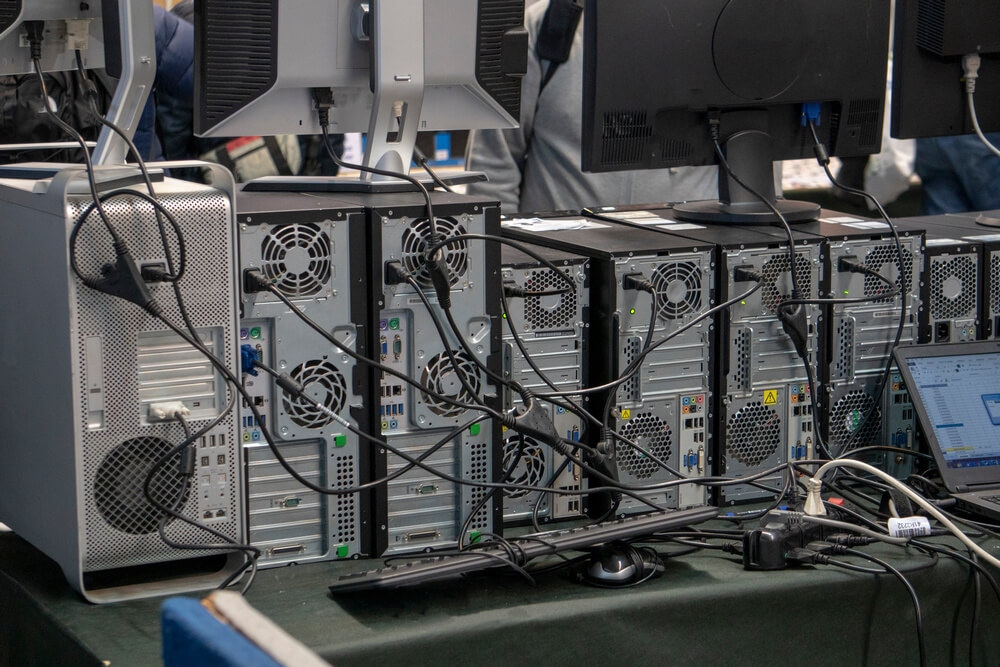
We started building web-based add-ons for the software we were using, and we had one of those classic on-prem setups:
SQL Express running on the front desk PC
Rain knocked out the internet
Staff shut off the system (oops)
Appointments vanished or never synced
Ports needed to be open just to make things talk to each other
It wasn’t just frustrating; it was a risk to the business.
So we didn’t start with bookings.
We started with the backbone: inventory, client history, digital forms, real-time messaging, and later… scheduling.
It took us three years to get something usable. But what we built still works today—and it works really well.

What I Built That SaaS Still Doesn’t Get Right
I’m not going to lie: we made some things that even today’s platforms still screw up.
Appointment Confirmations That Actually Work
→ Not a vague “you’re booked” email five days in advance.
→ We send an email 48 hours before, an SMS 24 hours out, and a “See you in 45 mins!” text right before. It slashed no-shows.Digital Forms Before They Were Cool
→ Our treatment forms used to take up boxes. Now they’re all online, custom, and ready when the client checks in.Inventory Like a Warehouse App (Without the Complexity)
→ Bin codes, stock tracking, label printing - not bloated, just efficient.Automated Surveys for Recovery
→ We let upset clients vent to us before they ranted online. Proactive damage control works.UI That’s So Simple, Staff Trains in Days
→ We removed buttons. We hid things. We prioritized clarity over features. New front desk hires were self-sufficient in a week.
What I Regret
I’ve made a few bad calls.
We tried syncing with our old desktop system.
→ Big mistake. We wasted time building tools to bridge two systems instead of going all-in on the new one. Should’ve just done a clean break and one solid migration.We hosted our own email server.
→ Never. Again.We underestimated UI design.
→ My dev was brilliant at logic, but not design. Ugly interfaces lose trust—no matter how well they work. I should’ve outsourced that.We chased trendy tech too early.
→ Our first React-based mobile interface ran great... on our phones. We launched it without broad testing. 90% of clients couldn’t even open it.
What SaaS Still Gets Wrong in 2025
Pricing Models Are Broken
→ “From $X/month” sounds good… until you add SMS. Or extra users. Or reporting. Then it’s $500+/mo for a spa that barely breaks even in the summer.You Don’t Own Anything
→ Licenses are murky. APIs are limited. Try canceling and see how fast your data becomes not your data.They Oversimplify the Wrong Things
→ Many SaaS platforms have removed direct communication tools. Email/SMS feels like a black box. We built real-time interfaces with local numbers and even voicemail transcription—because real businesses still need real human touchpoints.
Would I Do It Again?
Probably.
But differently.
I’d build it API-first.
I’d hire better designers earlier.
I’d look for open-source tools to integrate instead of reinventing the wheel.
And I’d ignore most new frameworks until they mature.
Advice for Founders Today
Don’t build from scratch unless you’re solving something truly unique.
But don’t be afraid to build around a solid platform either.
Look for tools that expose APIs and build what’s missing.
Don't buy the hype—especially around AI. It’s powerful, but it’s also being oversold.
Final Thought
If someone offered to buy our system and turn it into a proper SaaS, would I sell it?
Absolutely—as long as they keep it affordable and fully featured for other spa owners like us.
Because we didn’t build this just for ourselves.
We built it to give real businesses more control, not less.
And yeah—we did it before it was cool.
Leave a Reply